Before I'd even started packing for my trip to South Africa, the latest wave of xenophobic protest had already made global headlines. I didn't know what to expect on arrival. All I'd heard from friends and family back home was that "everyone" seemed to be moving to South Africa.
On a full flight from Istanbul to Cape Town, I was seated next to a heavy-set Turkish man in his thirties, maybe. My first thought about Munir* was that he was wearing more gold than the tourist advisory would recommend, given the destination.
With a friendly face and approachable demeanour, we struck up a conversation; I asked what had brought him to South Africa. Munir explained that eight years earlier he'd moved to Mozambique to help his uncle run a fast-food store, and before long the family had joined him from Türkiye. He went on to open a couple of fast-food outlets of his own, along with a small construction business. Both were going well enough that he'd been able to apply for a Financial Independence Permit for South Africa. The main pull factor to move from Mozambique to South Africa was the standard of education on offer for his two school-age children.
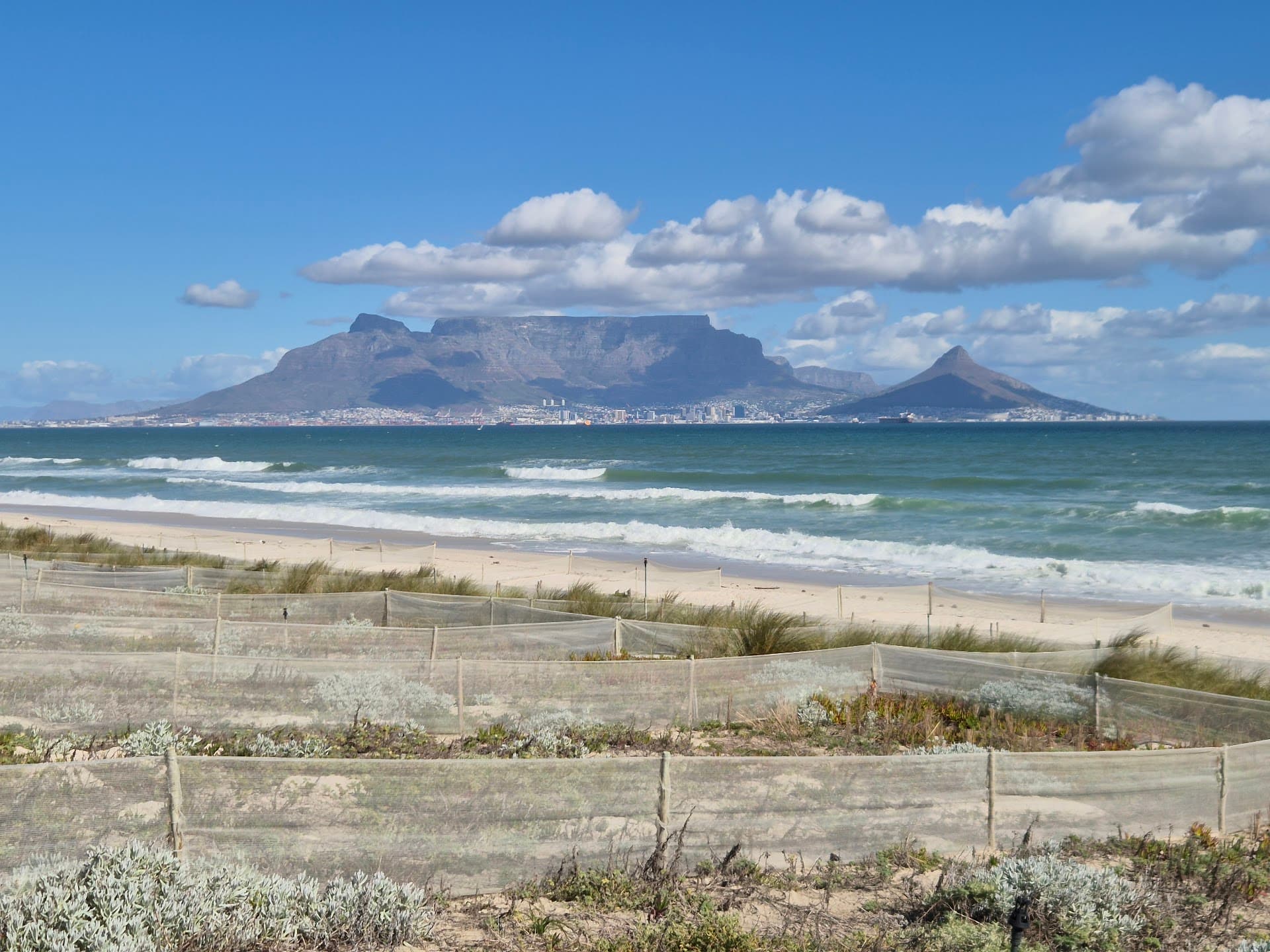
Cape Town CBD at the foot of Table Mountain, seen from Bloubergstrand.
Munir explained that South Africa offered significant opportunity for start-ups and small business, with a low cost of entry, affordable labour, and limited competition across most sectors, relative to other westernised, "first world" countries.
Four years into life in South Africa, Munir and his family were only months away from permanent residency, having already purchased a home in upmarket Claremont, a southern suburb of Cape Town. Munir spoke with unhindered certainty that South Africa could be their forever home; warmly describing how welcoming Africans of all backgrounds had been, and how much he loved the lifestyle and the diversity of people and culture.
These stories of people relocating to South Africa are nothing new to me, my own grandfather was British, as young adults he and his brother settled in Cape Town permanently after WWII. Growing up in South Africa, I came across many expats, some close to me - who had similar stories of struggle in Europe, only to flourish after arriving in South Africa. While considering all this, it was still interesting to hear directly from people such as Munir, that this was indeed still happening in 2026.
Over eleven days in Cape Town I traveled mostly by bus, train, and Uber, getting a feel for how people on the ground move and interact with one another. The demographics had clearly shifted since my last visit, with noticeably significant increase of Africans from elsewhere on the continent, and a striking number of arrivals from everywhere else, mostly Europeans, USA, and really every corner of the world was represented. At times you hear that many languages being spoken your head spins.
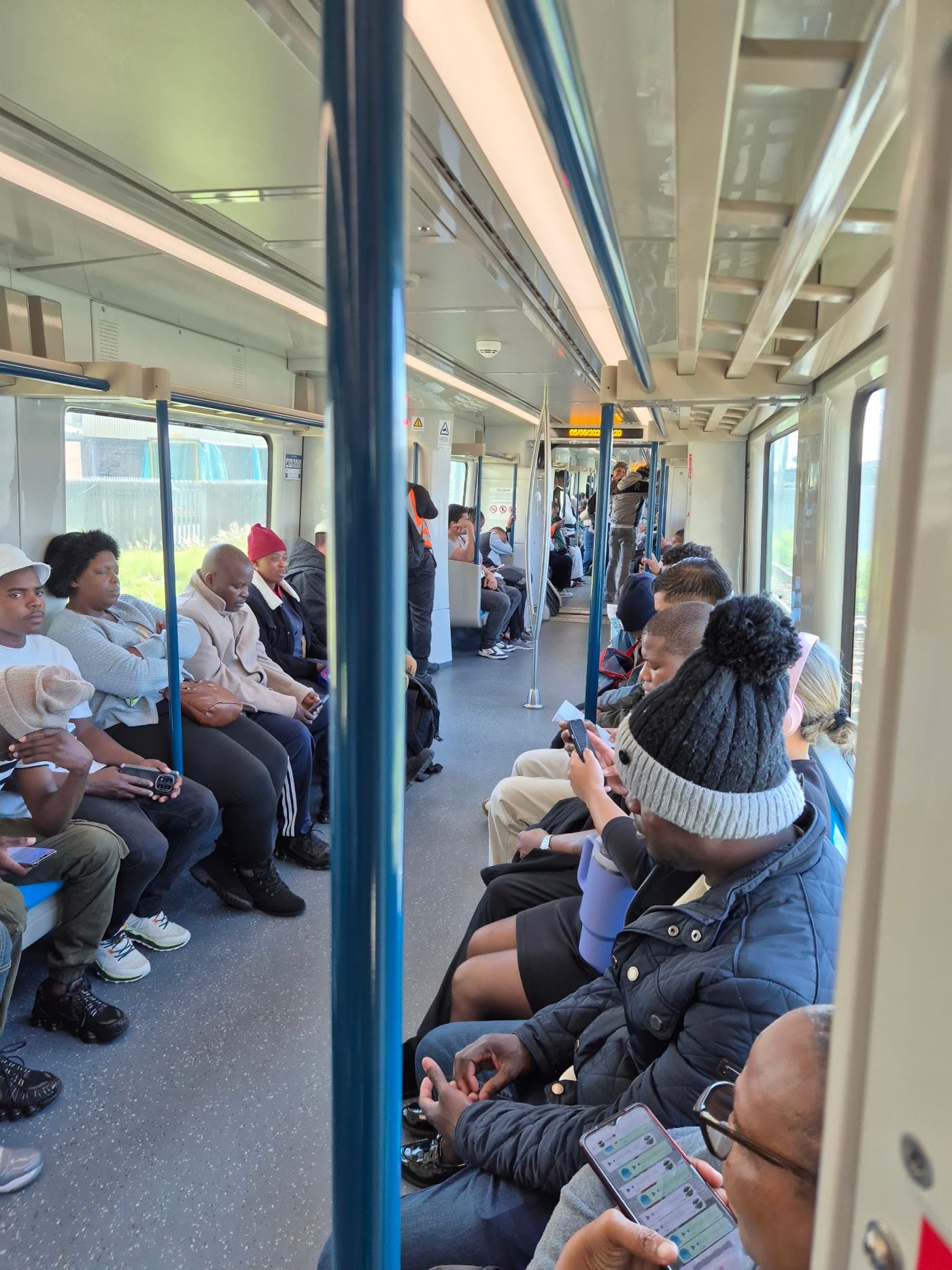
A cross-section of Cape Town on the morning commute.
Taking an Uber most days, I made a point of talking with the drivers. None were local. They came from Zimbabwe, Malawi, DRC, and Somalia, amongst others; some had been in the country for many years, and were raising children. One man from Malawi told me he'd managed to buy property and had made South Africa his forever home. Another, from Zimbabwe was close to finishing building a home on a plot of land he'd bought years earlier; he'd also put his son through university. All on an Uber driver's income and a few side hustles he had on the go.
The common thread among these expats: visas and documentation moved painfully slow, but if you could afford to hire the right migration experts, you could get what you need done in a fraction of the time. None wanted to return home while they were of working age.
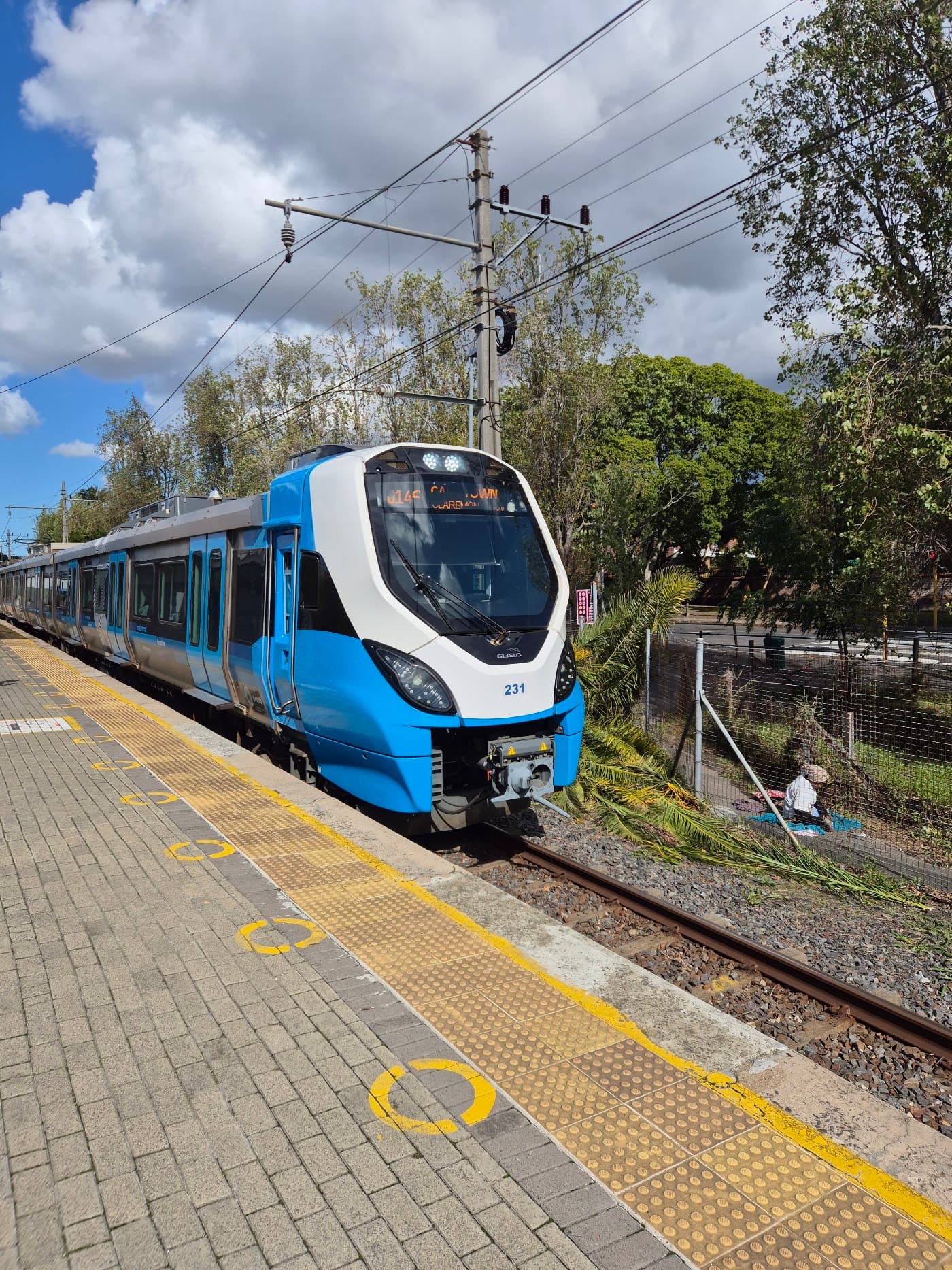
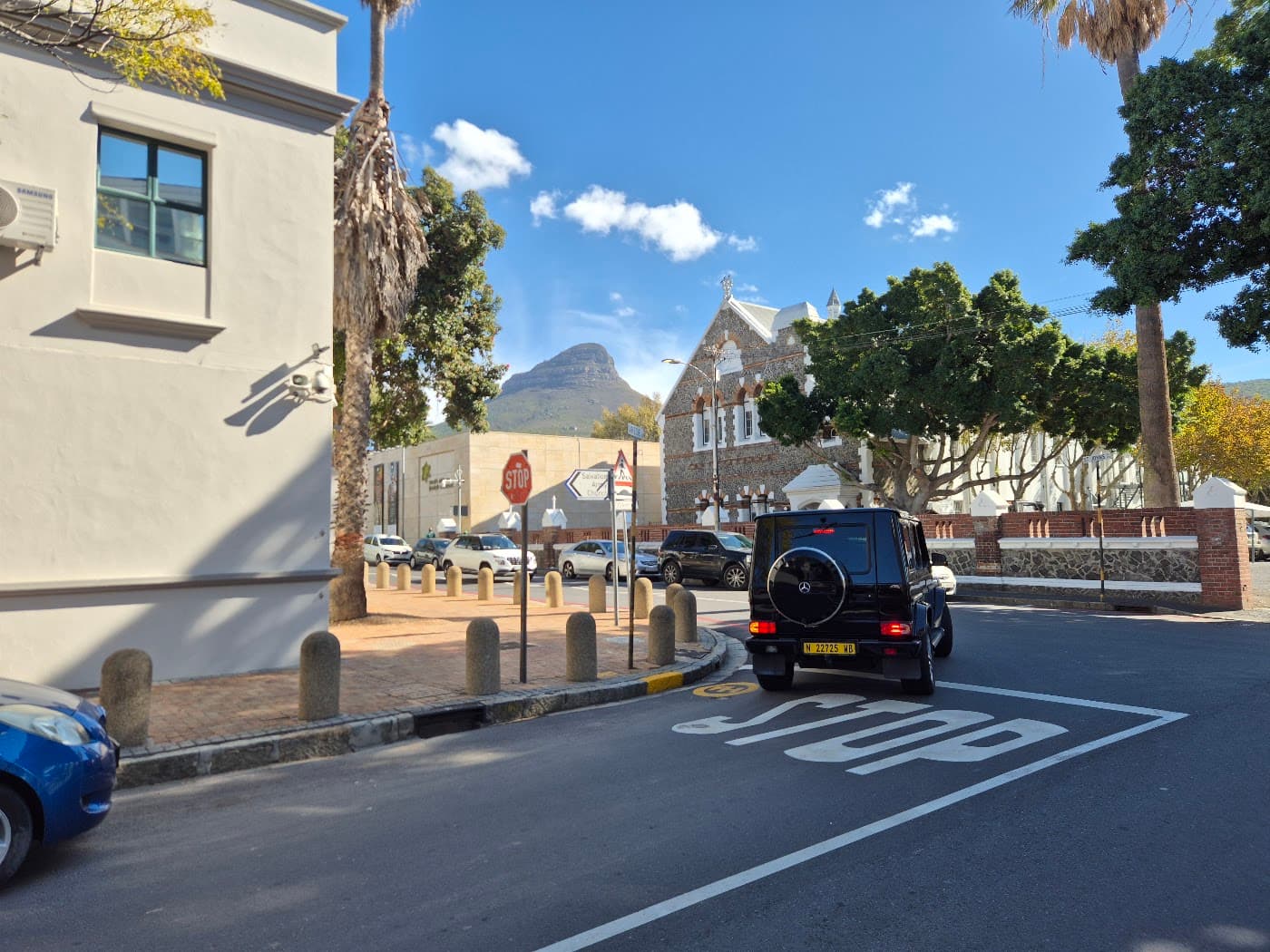
The Cape Town line via Claremont, where Munir and his family bought a home.
In the well-heeled suburb of Camps Bay, I caught up with an old work colleague from my London days who worked in design and strategy. James* moved back to Cape Town well over a decade prior and had started a family with his European wife; building a working base for local start-ups and financial-service businesses. He was certain South Africa had a bright future, and totally confident they'd never leave, not that he had a choice, he joked; he'd never get his wife to agree to move back!
Another friend I caught up with on this trip, migrated to Cape Town for supposedly two years and that was approx. thirteen years ago. Richard* now earns significantly more at a local fin-tech business than he could command in London; he told me the higher salary made staying in South Africa that much easier a choice.
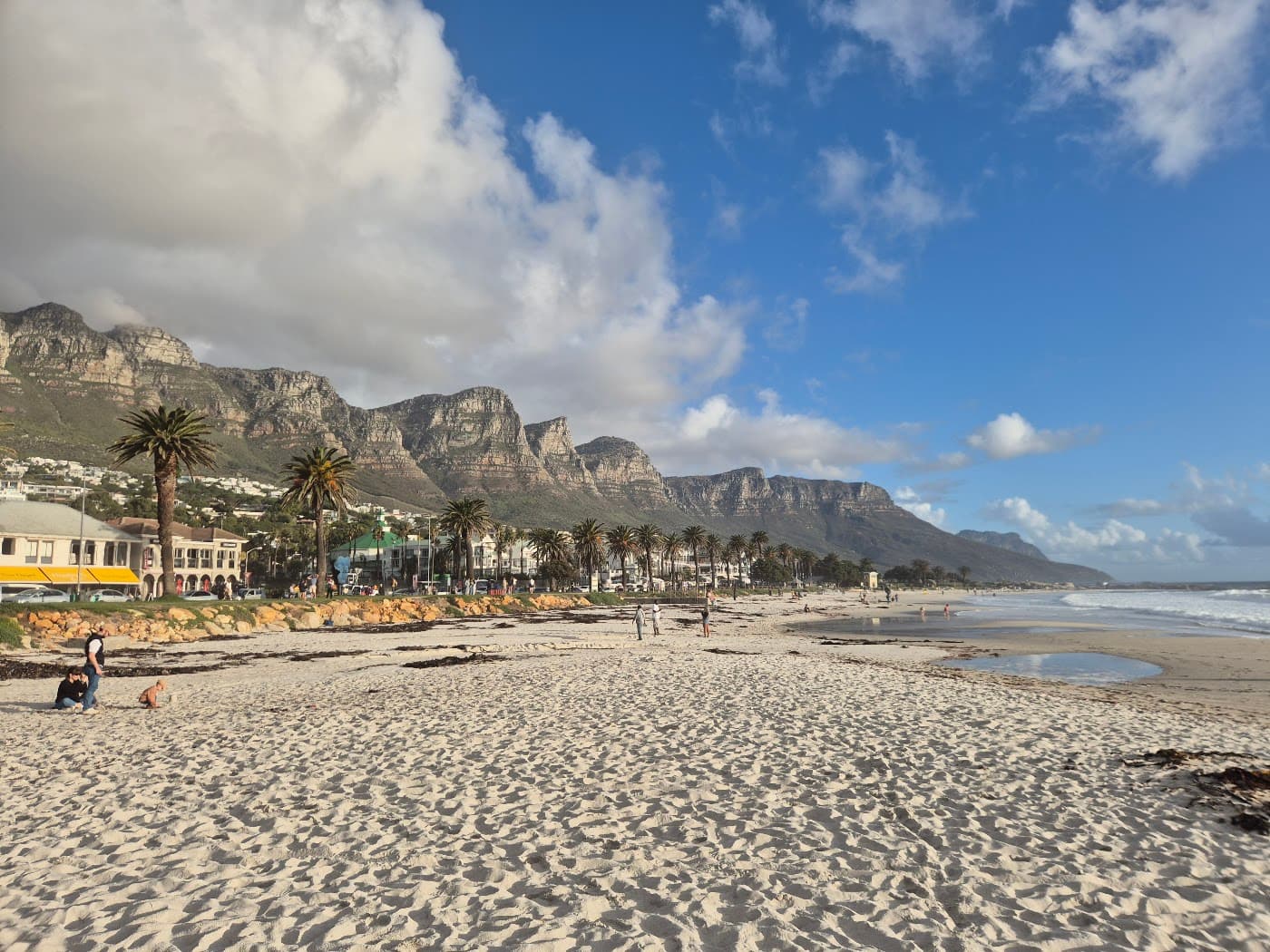
Camps Bay, where James built his life after moving back from London.
I stayed in Sea Point, not far from the city center, a fascinating mix of people from around the world, anchored by a large local Jewish community, with sizeable German, British, and West African populations amongst others living on the Atlantic Seaboard, as it's known. I found this vibey area, with its connectivity and proximity to other vibrant areas a fantastic place to stay, and would recommend it to anyone visiting Cape Town, as perhaps a base while on their way to the Winelands, Garden Route, Karoo, or elsewhere.
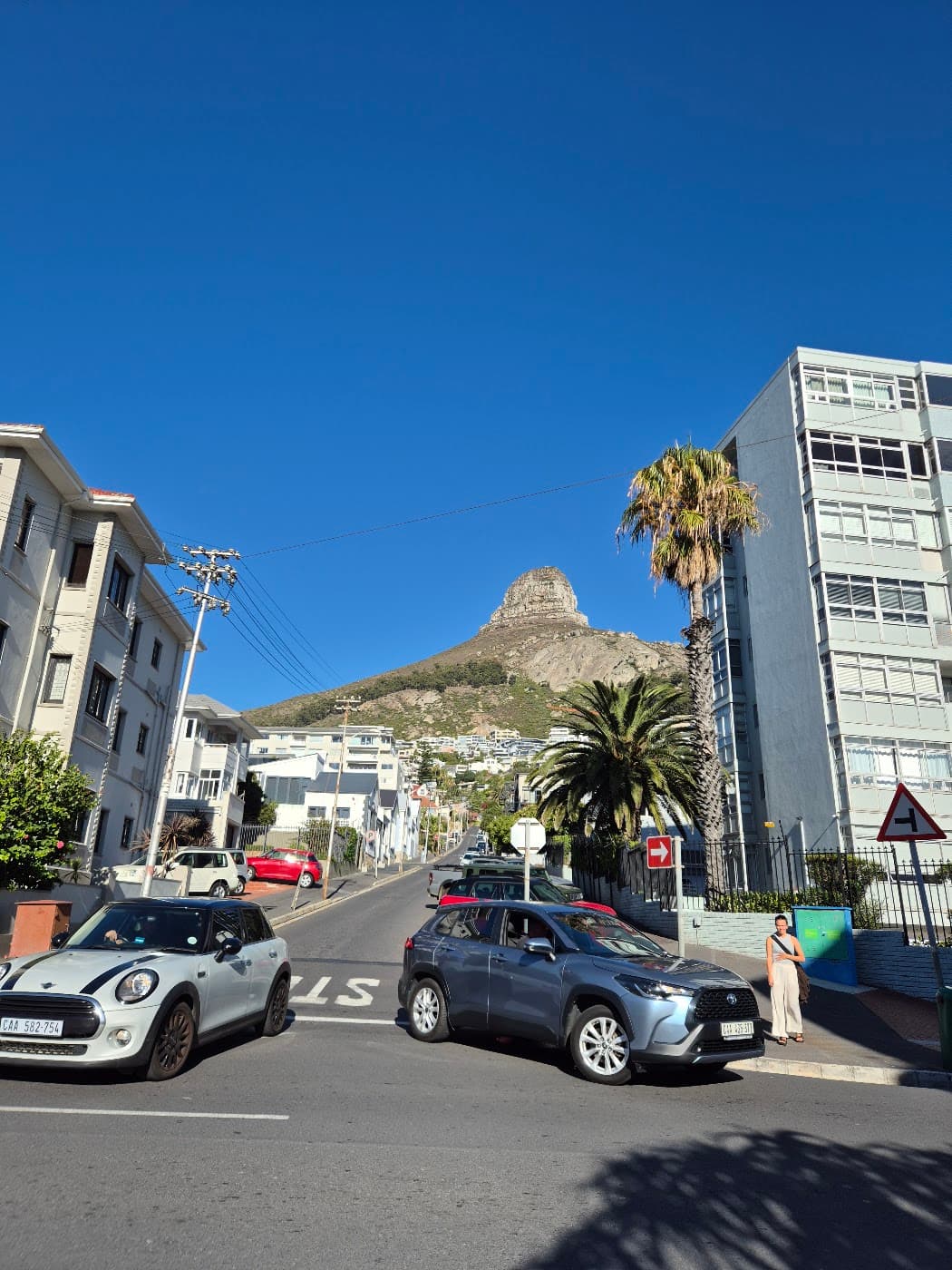
Lion's Head watches over every street on the Atlantic Seaboard.
The consensus among expats I met was that South Africans are warm, kind, open, and inviting people. The country holds genuine promise for anyone willing to take a chance at the opportunity, helped along by a thriving entrepreneurial culture, and a state that most people have simply stopped waiting on. The mentality is: "wait for the government to act, and you'll be waiting forever." You depend on yourself and your network; you don't turn to government for much of anything. That shared understanding is what's driving private-sector growth into spaces the state has traditionally occupied, or has quietly retreated from. For this reason, the Western Cape has managed to outpace other provinces in the country, many of which are struggling to keep up with service delivery.
Not all foreigners experience the same South Africa
And yet, clearly, not all foreigners experience the same South Africa. The migrants bearing the brunt of the recent protests are not the people settling into Camps Bay, Sea Point, or Claremont.
Visible inequality is part of the story, when relative newcomers appear to prosper, particularly obvious with West Africans with their expensive cars, designer clothes, and so on, whilst most black South Africans remain desperately poor; resentment naturally festers. The government has taken a cavalier attitude towards mass intracontinental migration, and seems to have a lot to say about xenophobia, but far less to say about unemployment and the people affected by mass immigration.
Visible prosperity in Cape Town sits alongside real hardship.
I, like many white Africans, am descended from Europeans who suffered religious persecution and/or economic stagnation in their homelands and thrusted themselves into the unknown in search of opportunity. That same search has brought wave after wave of migrants to South Africa for centuries.
The Khoisan people, with arguably the oldest living culture on earth, estimated at 100,000-150,000 years old, have experienced ongoing waves of migration into the region for roughly the last thousand years or so; the vast majority arriving from further north of the continent. So this southerly migration is nothing new, but it clearly needs to be handled, and government at this point must lead until the private sector can step in to help.
The land of opportunity is real, and it's shifting
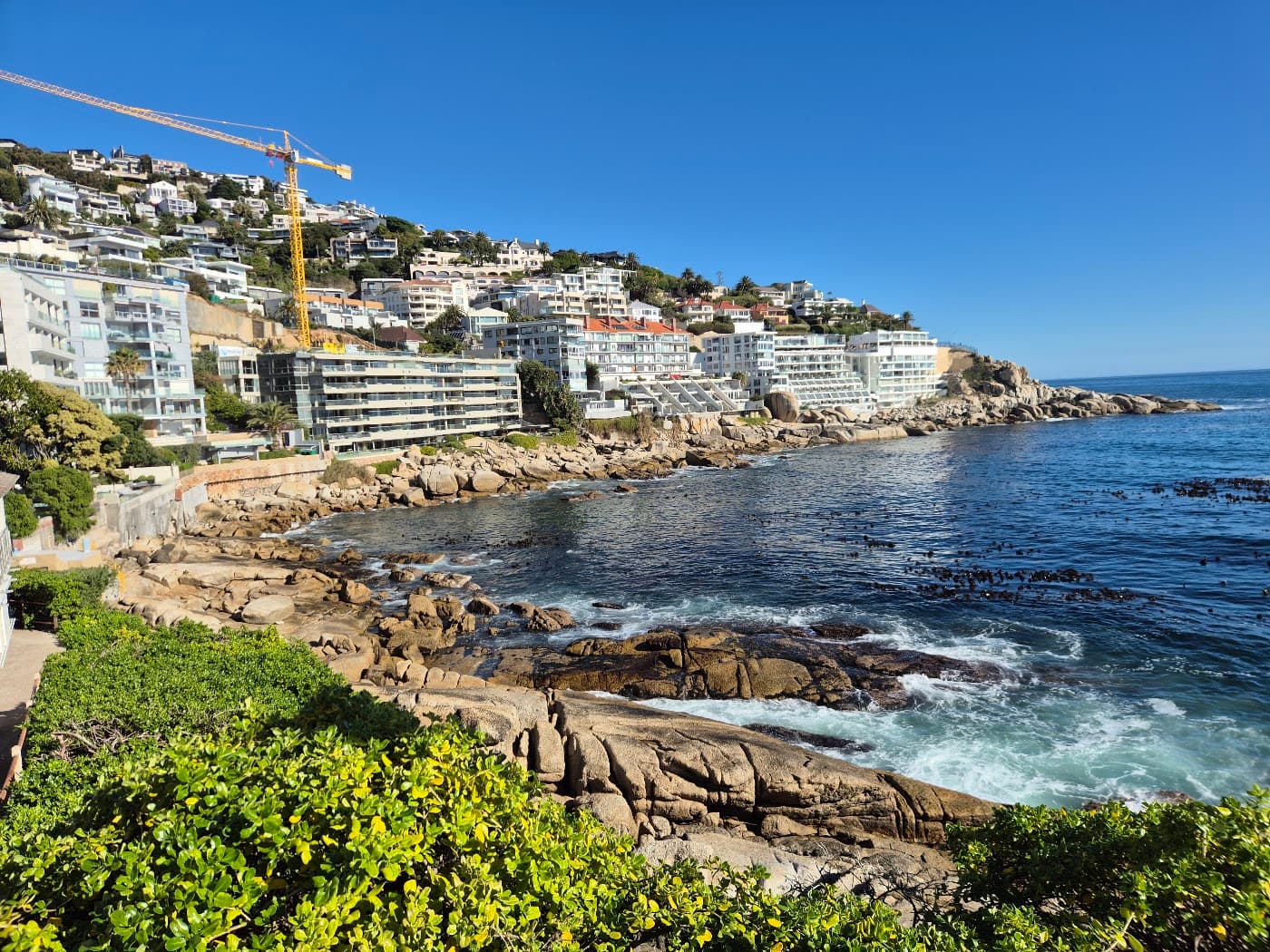
Construction along the Clifton and Bantry Bay coastline. New capital keeps arriving.
South Africa needs fresh skills, businesses, and investment. For decades, talented Africans emigrated to developed nations in search of better prospects; I believe the tide has now turned and working people are migrating to where the opportunities lie. This century is expected to be the African Century, and the world is responding. English-speaking South Africa is well positioned to attract entrepreneurs, young professionals, retirees, and established businesses particularly from the UK, USA, Australia, New Zealand, Canada where language is not a barrier, backed by freehold title on property, a currency exchange rate that stretches foreign savings and income considerably further, plus visa pathways that stay genuinely accessible to anyone prepared to arrive, stay, and build.
At home in Australia, inflation, over-regulation, big government, and high immigration have eroded the value of private-sector work. Decades of regulatory and financial hurdles have made opportunity much harder to find. Our service-heavy economies are also among the most exposed to the AI revolution: few professions have a wide enough moat to remain untouched. In a system increasingly geared toward Canberra and its bureaucracy, with heavy taxes and growing red tape, there has never been a better time to look abroad, and South Africa is wide open to those willing to invest their time and money.
South Africa offers inviting pathways for foreign resident property ownership, and permanent residency. For those willing to step outside their comfort zone, modern South Africa delivers genuine freedom and adventure upside to anyone prepared to live with intent.
Golden hour from a rooftop pool in Sea Point.
* Names changed for privacy.
Photographs and video throughout this article were taken on the author's Samsung Galaxy S24 during the trip described above.